

Keeping track of employee attendance can quickly become complicated when teams work across offices, remotely, or on flexible schedules. Spreadsheets and manual timesheets may work for a small team, but they can become difficult to maintain as the company grows.
Attendance tracking software makes the process easier by recording working hours, clock-ins and clock-outs, breaks, absences, and time off in one place. The right tool can also help managers manage schedules, prepare payroll data, and understand team availability.
In this article, we’ll look at four attendance tracking software tools worth considering in 2026.
What to Look for in Attendance Tracking Software
Before choosing an attendance tracking solution, consider the features your team actually needs. Useful capabilities include:
Employee clock-in and clock-out
Automatic time tracking
Work schedules and shift management
Break and overtime tracking
PTO and absence management
Timesheets and attendance reports
Mobile and desktop apps
Payroll-ready exports
Integrations with project management and accounting tools
With these requirements in mind, here are four options to consider.
TMetric
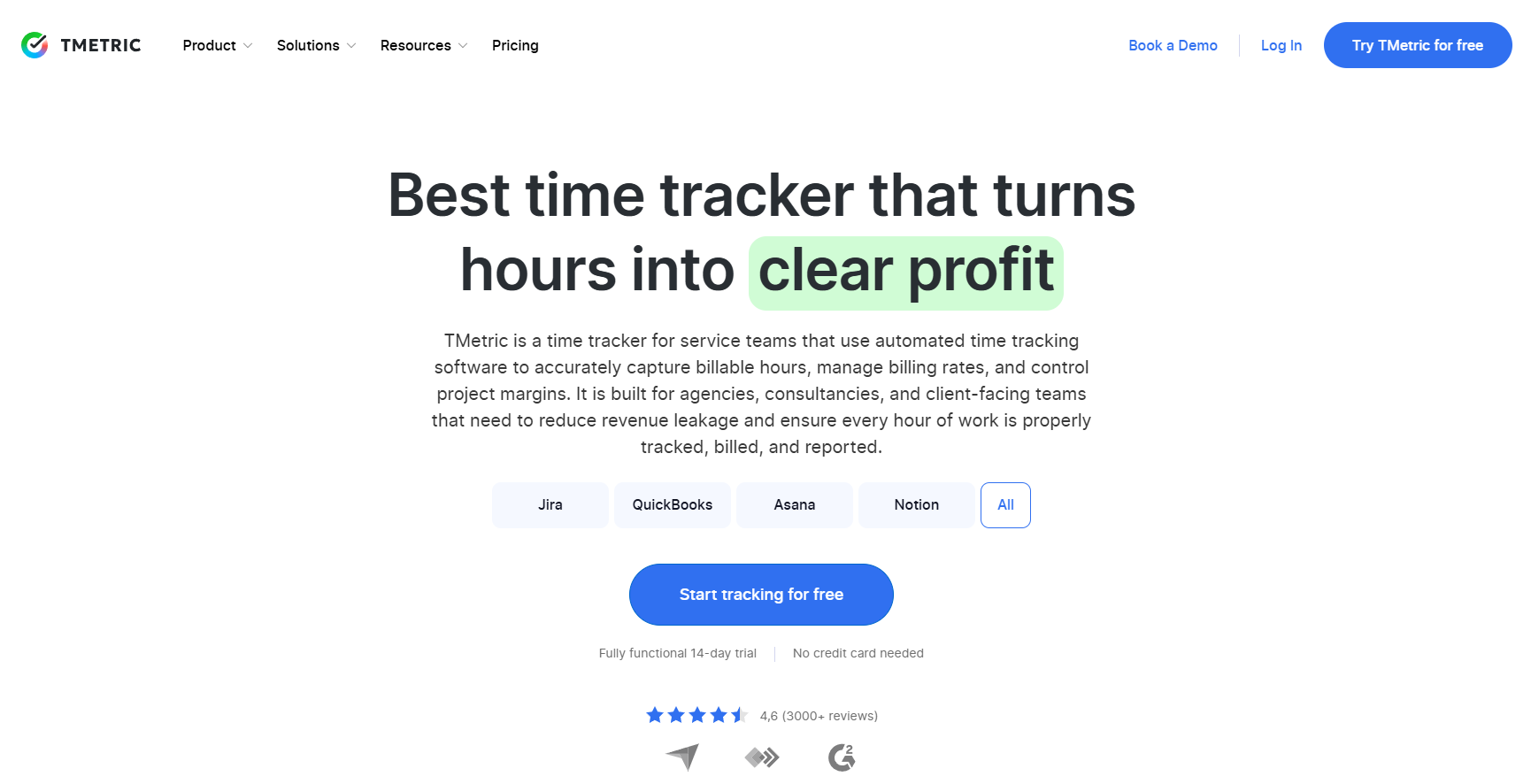
TMetric is a time tracking and workforce management platform that combines attendance tracking with timesheets, schedules, time off, reporting, and payroll-related features.
Rather than keeping attendance data separate from employee work records, TMetric brings these functions together in one workspace. Managers can see who is working, review logged hours, monitor schedules, and check time off from centralized dashboards.
Try it: TMetric
Key features
Attendance tracking: Record employee work hours and monitor clock-in and clock-out activity.
Team dashboard: Get an overview of employee availability, workload, and current work status.
Work schedules: Set expected working hours, working days, holidays, and schedules for teams or individual employees.
Time-off management: Manage PTO, sick leave, vacation requests, balances, and availability.
Timesheets: Turn tracked work hours into organized records that can be reviewed and approved.
Reporting: Generate team, time, project, task, and activity reports.
Payroll-ready data: Export timesheets and attendance information for payroll and accounting workflows.
Integrations: Connect attendance tracking with project management, communication, accounting, and other workplace tools.
TMetric can be particularly useful for businesses that want attendance tracking alongside project time tracking and productivity reporting rather than as a standalone time clock.
Jibble
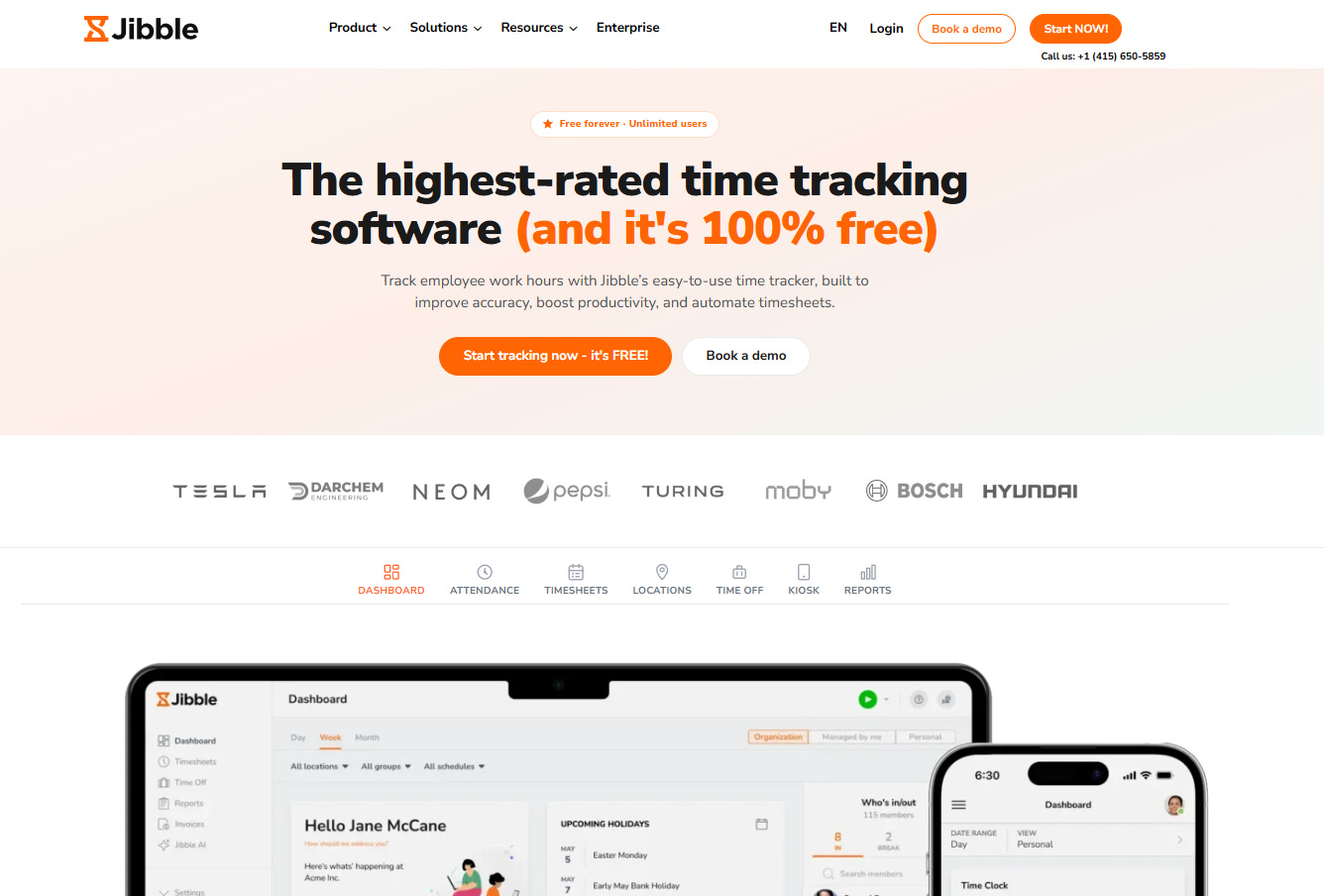
Jibble is an employee time and attendance platform designed around clocking in and out, workforce visibility, and attendance management.
The platform supports different ways of recording attendance and is often positioned for teams that need a dedicated time clock solution. Current 2026 comparisons highlight features such as face recognition, GPS, and attendance tracking among Jibble’s main capabilities.
Try it: Jibble
Key features
Clock-in and clock-out: Employees can record their working time through supported devices.
Mobile attendance: Track attendance when employees work away from a traditional office.
Face recognition: Add identity verification to clock-in workflows.
GPS tracking: Useful for teams with mobile or distributed workers.
Attendance reports: Review employee attendance and working hours.
Time tracking: Connect attendance information with broader employee time records.
Jibble is worth considering for organizations where attendance verification and flexible clock-in options are more important than project-based time tracking.
Buddy Punch
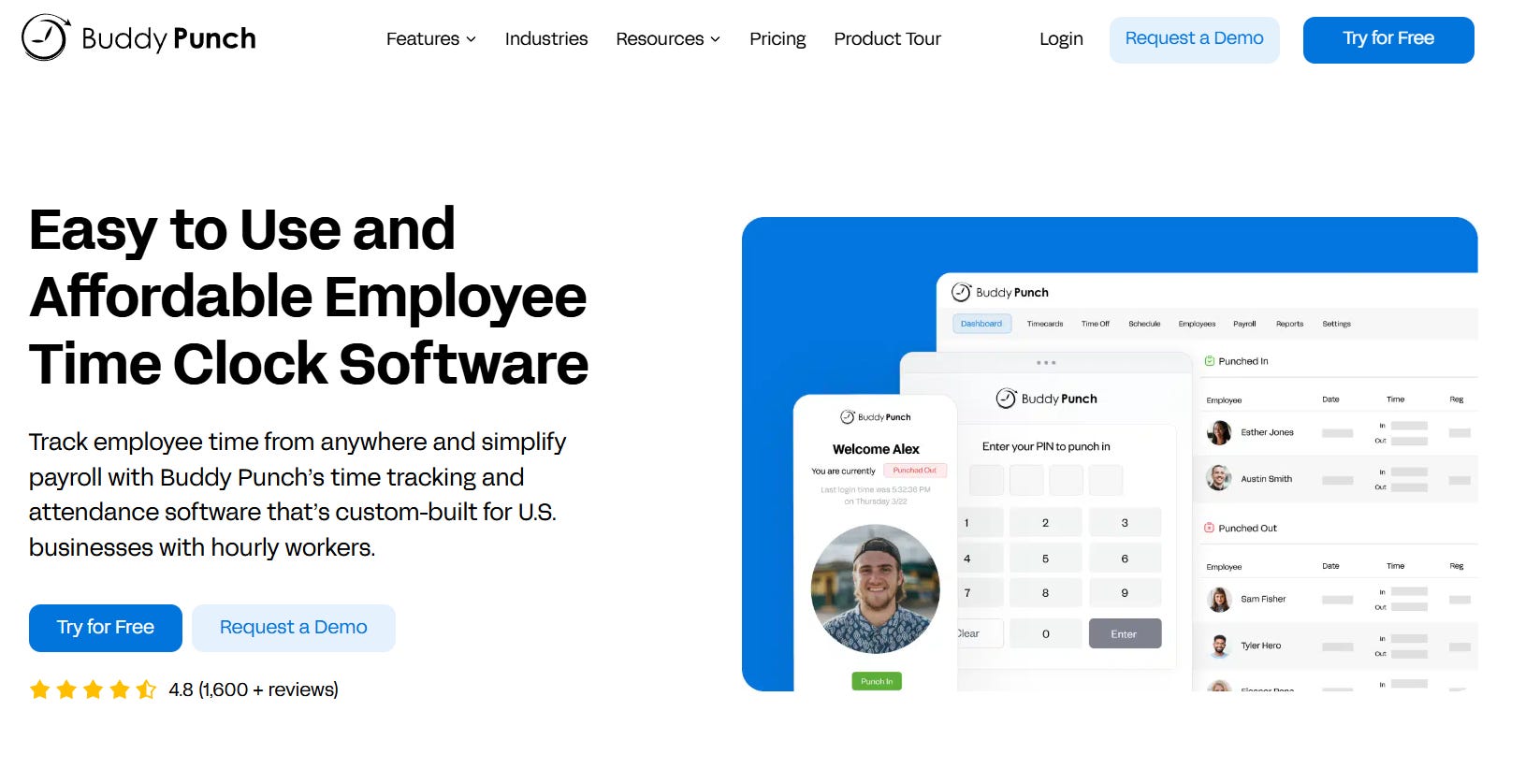
Buddy Punch is an employee time clock and attendance solution focused on recording working hours and managing employee schedules.
It is designed for businesses that need a straightforward way to manage employee time, attendance, and clock-in processes. Recent software comparisons highlight its use among small businesses and its focus on time clock and time tracking use cases.
Try it: Buddy Punch
Key features
Employee time clock: Let employees clock in and out electronically.
Attendance tracking: Keep employee attendance information organized in one system.
Scheduling: Create and manage employee work schedules.
Mobile access: Support employees who aren’t always working from a fixed workstation.
Time tracking: Record hours worked for payroll and management purposes.
Employee management: Combine attendance information with basic workforce administration.
Buddy Punch may be a good fit for small and midsize businesses looking for a dedicated employee time clock without needing a broader project-management platform.
Deputy
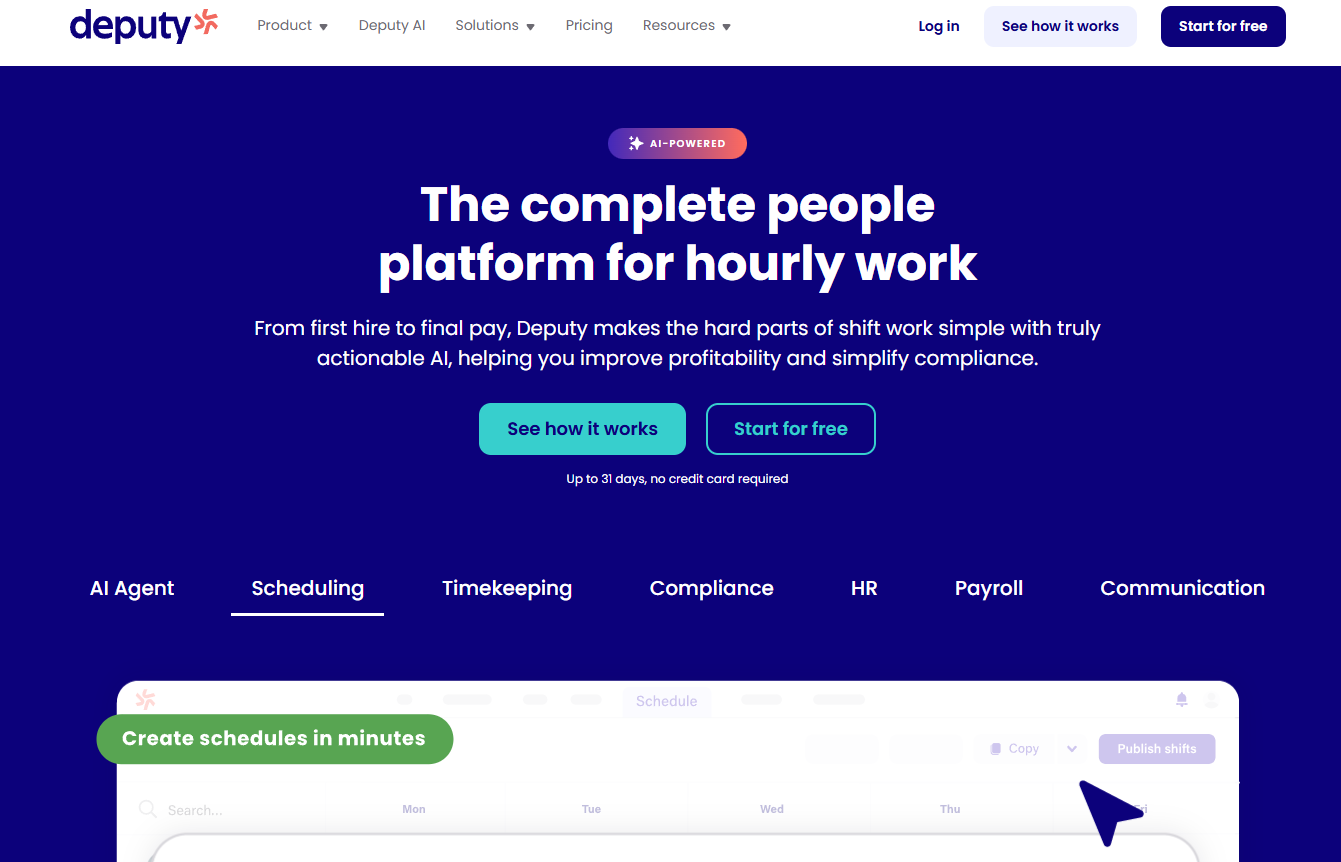
Deputy combines time and attendance tracking with employee scheduling and workforce management.
This makes it particularly relevant for organizations where employee availability and shift planning are closely connected to attendance. Current attendance software comparisons commonly include Deputy among solutions designed for scheduling and shift-based teams.
Try it: Deputy
Key features
Time clock: Record employee working hours and attendance.
Employee scheduling: Create and manage shifts.
Shift management: Organize employee coverage around business needs.
Attendance information: Review employee hours and attendance records.
Mobile workforce support: Give employees access to schedules and time-related functions from mobile devices.
Workforce management: Connect scheduling and attendance processes.
Deputy can make sense for businesses where scheduling is just as important as tracking whether employees showed up and how many hours they worked.
Final Thoughts
Attendance tracking software can replace manual spreadsheets and fragmented attendance records with a more consistent way to manage employee hours.
The best choice depends on how your organization works. Jibble is worth considering if you need dedicated attendance functionality and verification options. Buddy Punch focuses on employee time clocks and attendance management. Deputy is a strong option when scheduling and shift management are central to your workflow.
TMetric combines attendance tracking with time tracking, timesheets, work schedules, PTO management, reporting, and broader team management. That makes it a practical option for businesses that want attendance data connected to the rest of their employee time and work records.
Before choosing a tool, consider your team size, work environment, scheduling requirements, payroll workflow, and the level of reporting you need. A solution that fits naturally into your existing workflow will make attendance tracking easier for both employees and managers.